Cetinje
The Old Royal Capital Guide
Part of the My Guide Network Since 2006 180+ destinations
Cetinje is a town of great historical heritage that was founded in the 15th century by Ivan Crnojević, where he had chosen to build a castle in 1482. It is believed that Cetinje is first mentioned in the historical documents, in the 14th century. The founding of Cetinje was the result of incursions on the part of the Venetian Republic (from the north and the west) and the Ottoman Empire (from the south and the east) which squeezed the local population away from the inland valleys and coast and into the mountains.
The development of Cetinje has been followed by many important historical and social events, especially since the 19th century. After the recognition of Montenegro as an independent state, at the Berlin Congress in 1878, on the basis of which is greatly expanded, a period of rapid creation of a national, economic, social, cultural, and spatial superstructure has begun.
Cetinje, as the Old Royal Capital, has gained in an even greater national and international significance and experienced its rapid socio-economic, institutional, and urban development.
From 1878 to 1918, Cetinje was the capital of the independent state of Montenegro, as well as its cultural centre; in 1946 it was succeeded as the capital of Montenegro by Titograd.
Although today it has the population not bigger than 15.000 inhabitants, this city has always been the manifestation of Montenegro's culture and independent spirit.
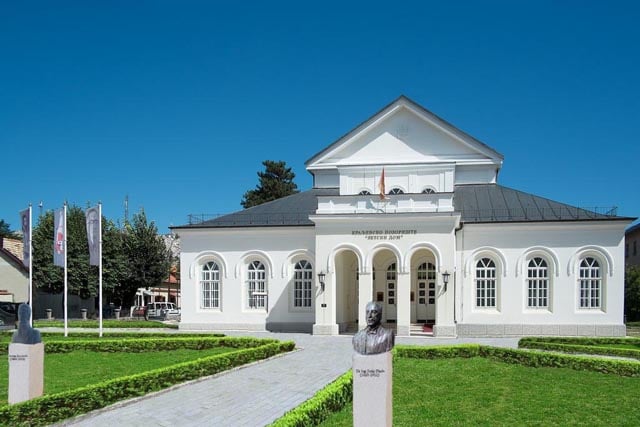
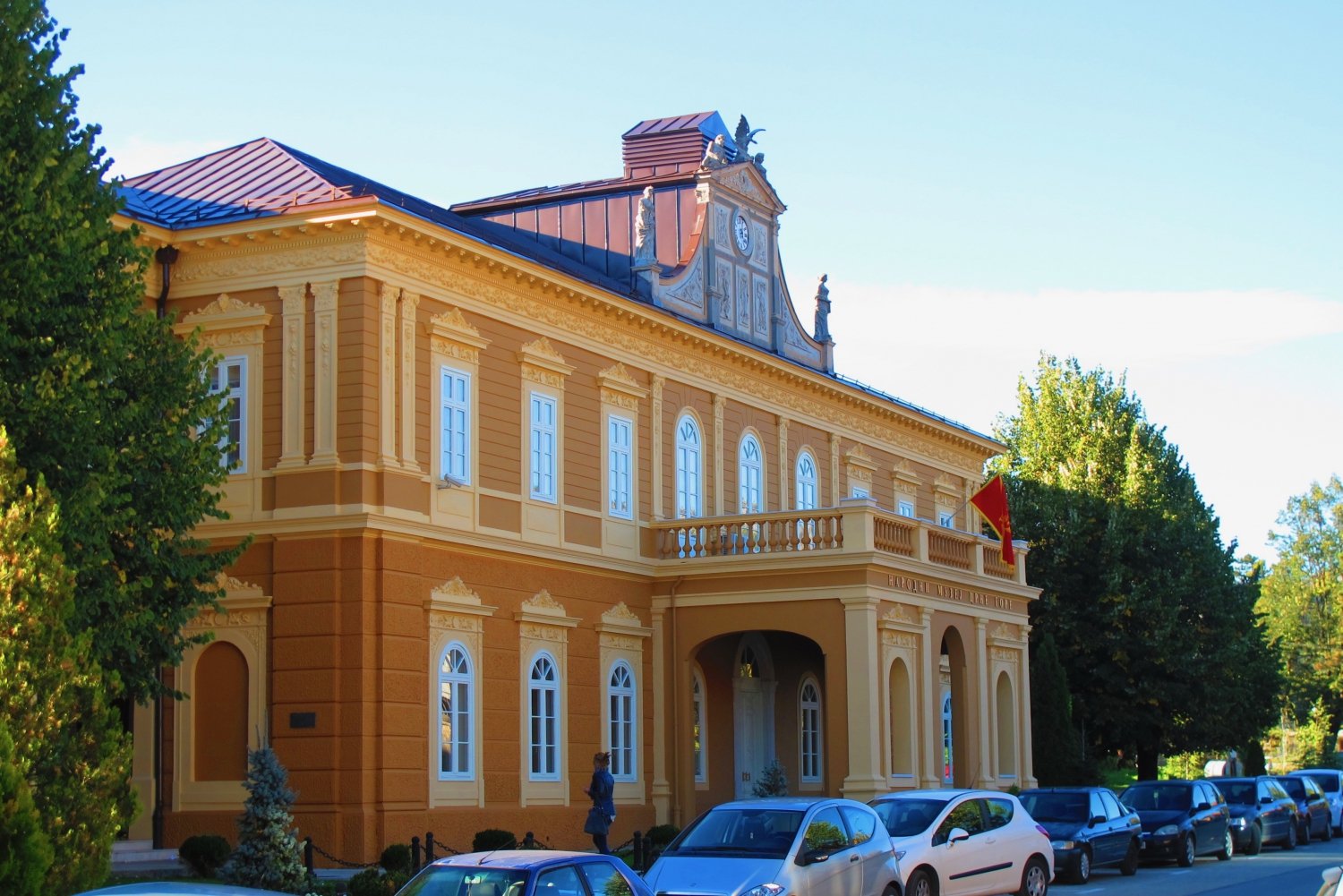
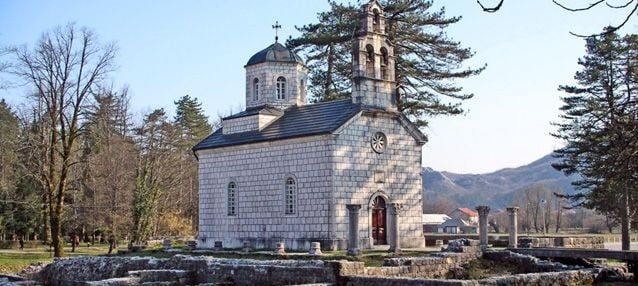
Cetinje is the site of Đurđe Crnojević Central National Library, the National Museum of Montenegro that consists of five buildings, including the Royal Palace, the Archives of Montenegro, the Republic Institute for Preserving Cultural Heritage, the Zetski Dom Montenegrin Royal National Theatre and the Monastery of Cetinje. All these buildings are worth a visit to understand the fascinating history of this country.
About 20 kilometres from Cetinje, Mountain Lovćen (which is the part of the National Park Lovćen) is located. At the top of the mountain, in his mausoleum, lies one of the greatest Montenegrin rulers, poets and diplomats, Petar II Petrović Njegoš. Within the territory of the National Park Lovćen, an inevitable stop for tourists from all over the world is the village Ivanova Korita. This unique place is located at an altitude of 1200-1250 meters and is the right choice during winter and summer tourism.
Cetinje is well known by profuse precipitations during spring and autumn, and it is one of the rainiest towns in Europe with about 4,000 mm of water sediment on the yearly basis. It is also the host of many events, which are realized by the local city government, through collaboration with partner institutions. Among others, we would recommend: "Summer in the Old Royal Capital", "Cetinje Jazz Fest", "Royal Music Festival” etc.
Things to do in Cetinje:
The development of Cetinje has been followed by many important historical and social events, especially since the 19th century. After the recognition of Montenegro as an independent state, at the Berlin Congress in 1878, on the basis of which is greatly expanded, a period of rapid creation of a national, economic, social, cultural, and spatial superstructure has begun.
Cetinje, as the Old Royal Capital, has gained in an even greater national and international significance and experienced its rapid socio-economic, institutional, and urban development.
From 1878 to 1918, Cetinje was the capital of the independent state of Montenegro, as well as its cultural centre; in 1946 it was succeeded as the capital of Montenegro by Titograd.
Although today it has the population not bigger than 15.000 inhabitants, this city has always been the manifestation of Montenegro's culture and independent spirit.
Cetinje is the site of Đurđe Crnojević Central National Library, the National Museum of Montenegro that consists of five buildings, including the Royal Palace, the Archives of Montenegro, the Republic Institute for Preserving Cultural Heritage, the Zetski Dom Montenegrin Royal National Theatre and the Monastery of Cetinje. All these buildings are worth a visit to understand the fascinating history of this country.
About 20 kilometres from Cetinje, Mountain Lovćen (which is the part of the National Park Lovćen) is located. At the top of the mountain, in his mausoleum, lies one of the greatest Montenegrin rulers, poets and diplomats, Petar II Petrović Njegoš. Within the territory of the National Park Lovćen, an inevitable stop for tourists from all over the world is the village Ivanova Korita. This unique place is located at an altitude of 1200-1250 meters and is the right choice during winter and summer tourism.
Cetinje is well known by profuse precipitations during spring and autumn, and it is one of the rainiest towns in Europe with about 4,000 mm of water sediment on the yearly basis. It is also the host of many events, which are realized by the local city government, through collaboration with partner institutions. Among others, we would recommend: "Summer in the Old Royal Capital", "Cetinje Jazz Fest", "Royal Music Festival” etc.
Things to do in Cetinje:
- Explore the National Museum of Montenegro
- Visit the Lipa Cave
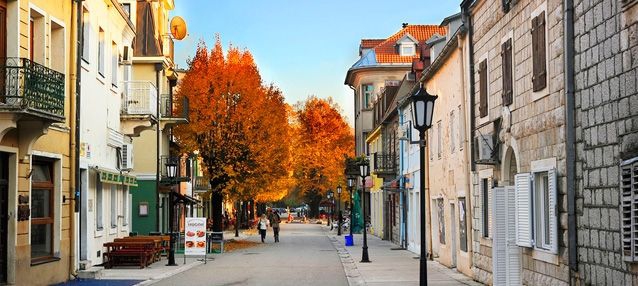
- Strolling down its wide, paste coloured streets
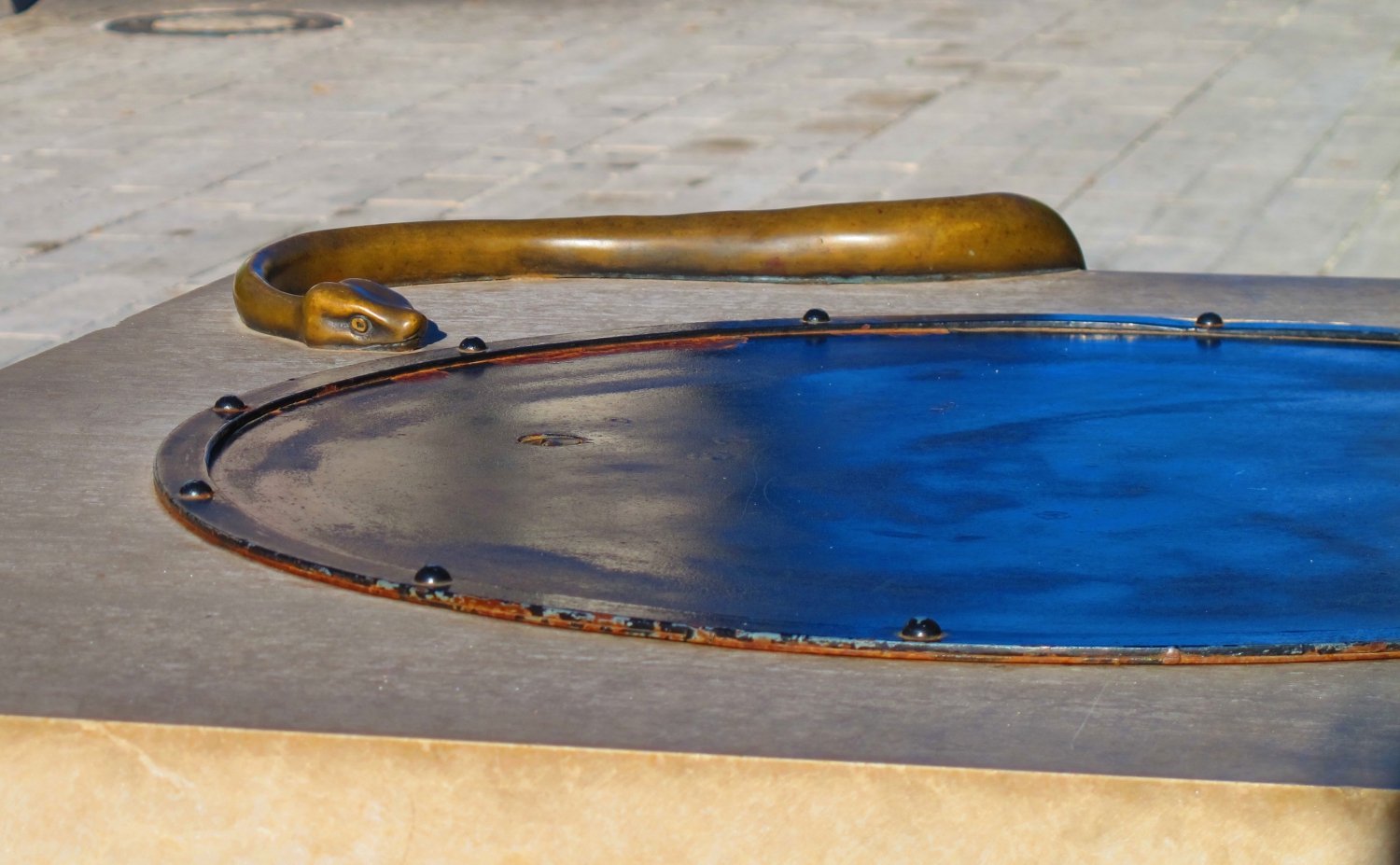
- Marvelling at the diorama of Montenegro, a full-scale model of the entire state
- Climbing the stairs to the top of Njegoš's Mausoleum
By Irena